

The allure of risk and reward
The psychology of gambling is deeply intertwined with the concepts of risk and reward. For many, the thrill of placing a bet is not only about the potential financial gains but also the exhilarating adrenaline rush that accompanies it. Players using platforms like neosurf casino instant withdrawal australia often experience the anticipation of winning, which can create a euphoric state, often described as a high. This emotional response is linked to the brain’s reward system, which releases dopamine, a neurotransmitter associated with pleasure. This response can be so intense that it often overshadows the risks involved, leading individuals to gamble with hopes of experiencing that emotional high again.
Moreover, the allure of gambling is enhanced by the unpredictability of outcomes. The excitement that comes from not knowing whether a spin, roll, or card draw will lead to a win can be intoxicating. Many players experience what is known as ‘variable reinforcement,’ a psychological principle where rewards are given unpredictably, enhancing the desire to continue playing. This unpredictability feeds into the thrill, making each gamble feel unique and filled with potential for success. As players chase these unpredictable rewards, they often become more engaged, increasing the likelihood of repeated gambling.
Additionally, social influences play a significant role in the decision to gamble. The environment surrounding gambling activities—be it casinos, online platforms, or social betting—often creates a sense of community and belonging. People may feel encouraged to join in due to peers or cultural norms that validate gambling as a form of entertainment. This social element can amplify excitement, leading individuals to place bets they might not otherwise consider if gambling alone. The shared experience can enhance the thrill and make gambling feel more like a group activity, further encouraging participation.
The psychological rewards of gambling
Beyond the thrill of winning, gambling offers a variety of psychological rewards that can keep individuals coming back for more. One of the most significant benefits is the escape it provides from everyday life. For many, gambling acts as a temporary distraction from personal troubles, stress, or dissatisfaction. This escape can create a powerful dependency, as individuals seek out the high associated with this reprieve. The immersive nature of gambling can make it difficult for players to recognize the potential consequences of their actions, keeping them engaged even when they should step back. The allure of this escape can turn gambling into a coping mechanism for various life challenges.
Furthermore, the sense of control that comes from gambling can be incredibly appealing. Players often believe they can influence outcomes through strategies or skill, which can foster a false sense of empowerment. This belief can lead to the misconception that consistent wins are achievable through personal decision-making, resulting in a cycle of repeated gambling behavior. The psychological need for control becomes a driving force, as individuals are naturally inclined to seek out situations where they feel their actions can lead to positive outcomes. This illusion of control can make it difficult for individuals to understand the role of chance in gambling.
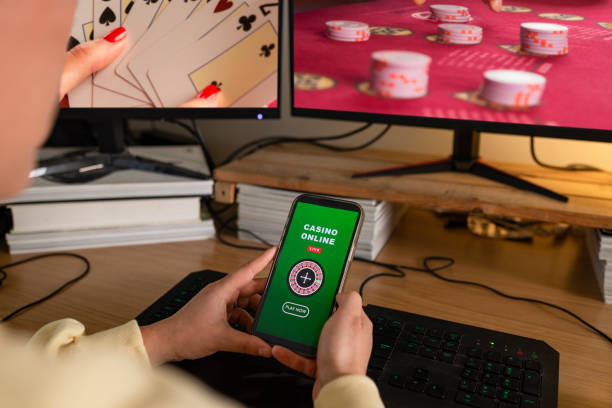
The social status associated with gambling can also contribute to its psychological appeal. Winning can elevate a person’s standing among peers, creating a sense of achievement that enhances self-esteem. This social aspect can be particularly potent in environments where gambling is prevalent and celebrated. The desire to be perceived as a successful bettor can push individuals to chase losses or gamble beyond their means, often leading to issues with addiction and financial consequences. The pressure to maintain a certain image can further complicate an individual’s relationship with gambling.
The impact of cognitive biases
Cognitive biases heavily influence how individuals perceive gambling outcomes. For example, the “gambler’s fallacy” is a common misconception where players believe that past outcomes can influence future results. This cognitive bias can lead individuals to assume that a losing streak must be followed by a win, prompting them to continue betting against better judgment. Such biases distort rational decision-making, pushing gamblers to engage further in activities that can lead to financial loss and emotional distress. Recognizing these biases is crucial for understanding the motivations behind persistent gambling behavior.
Another cognitive bias prevalent among gamblers is the “illusion of control,” where individuals overestimate their ability to influence outcomes through skill or strategy. This belief can result in players betting larger amounts in hopes of manipulating results, often without any real basis for that confidence. Understanding these cognitive biases is critical in addressing gambling behavior, as they can trap individuals in cycles of repeated losses and reinforce the urge to play despite negative consequences. Education around these biases can help players make more informed decisions regarding their gambling activities.
Addressing the psychological impacts of these biases requires awareness and education. Many individuals may not recognize that their beliefs about gambling are distorted. Therapeutic interventions focusing on cognitive-behavioral techniques can help individuals identify and challenge these thought patterns. By promoting a clearer understanding of probabilities and outcomes, gambling behavior can be moderated, allowing individuals to enjoy gambling as a form of entertainment rather than a compulsive activity. Such interventions can empower individuals to regain control of their decision-making processes.
Exploring addiction and its consequences
The relationship between gambling and addiction is a pressing concern in the field of psychology. Compulsive gambling, often referred to as gambling disorder, is characterized by an inability to control one’s gambling behavior, leading to significant distress or impairment. This condition can arise as a result of the various psychological rewards and cognitive biases associated with gambling. Many compulsive gamblers continue to play despite knowing the negative consequences, which can span emotional, financial, and social issues. Understanding the factors that contribute to this addiction is essential for effective prevention and treatment.

Gambling addiction can have profound effects on an individual’s life, often ruining personal relationships, financial stability, and mental health. Individuals may resort to borrowing money or engaging in deceitful behavior to fund their gambling habits. The shame and guilt that accompany such actions can lead to isolation and depression, creating a vicious cycle that is difficult to break. Understanding the psychological mechanisms that fuel addiction is essential for developing effective treatment strategies and support systems. Addressing these underlying issues can help individuals seek help and find healthier coping mechanisms.
Support structures, such as counseling, peer support groups, and educational programs, can play a vital role in recovery. By addressing the underlying psychological factors contributing to gambling addiction, individuals can begin to rebuild their lives. Therapeutic approaches that focus on self-awareness, coping strategies, and accountability are critical in helping individuals regain control over their gambling behavior and lead healthier lives. These support systems can provide the necessary encouragement and resources for individuals to overcome their challenges.
Understanding gambling culture online
Gambling has significantly evolved, especially with the rise of online platforms. The virtual environment offers a unique blend of accessibility and anonymity, making it easier for individuals to engage in gambling activities. The convenience of playing from home can attract a broader audience, including those who may have previously avoided traditional gambling establishments. This shift in culture influences how people interact with gambling, as the online experience often incorporates social elements that mimic real-life interactions. The impact of technology on gambling behavior warrants careful consideration and understanding.
Online gambling platforms have also made it easier to combine social media and gaming, further enhancing the psychological aspects of gambling. Gamers can share their experiences, wins, and strategies with friends and followers, creating a sense of community that encourages engagement. This social validation can amplify the desire to gamble, as individuals may seek to emulate the success of others or participate in trending gaming activities. Understanding the impact of this culture is essential for addressing gambling-related issues in a digital landscape. The online environment creates new dynamics that can enhance both positive and negative gambling behaviors.
The rapid growth of online gambling raises questions about responsible gaming and the need for consumer protection. Many platforms are now implementing measures to promote responsible gambling practices, such as self-exclusion options and tools to set betting limits. However, the effectiveness of these measures often relies on the individual’s willingness to engage with them. Understanding the psychological motivations behind online gambling is crucial in developing programs that can effectively promote healthier gambling behaviors in this evolving environment. By fostering a culture of responsibility, the online gambling community can work towards minimizing the risks associated with gambling.